

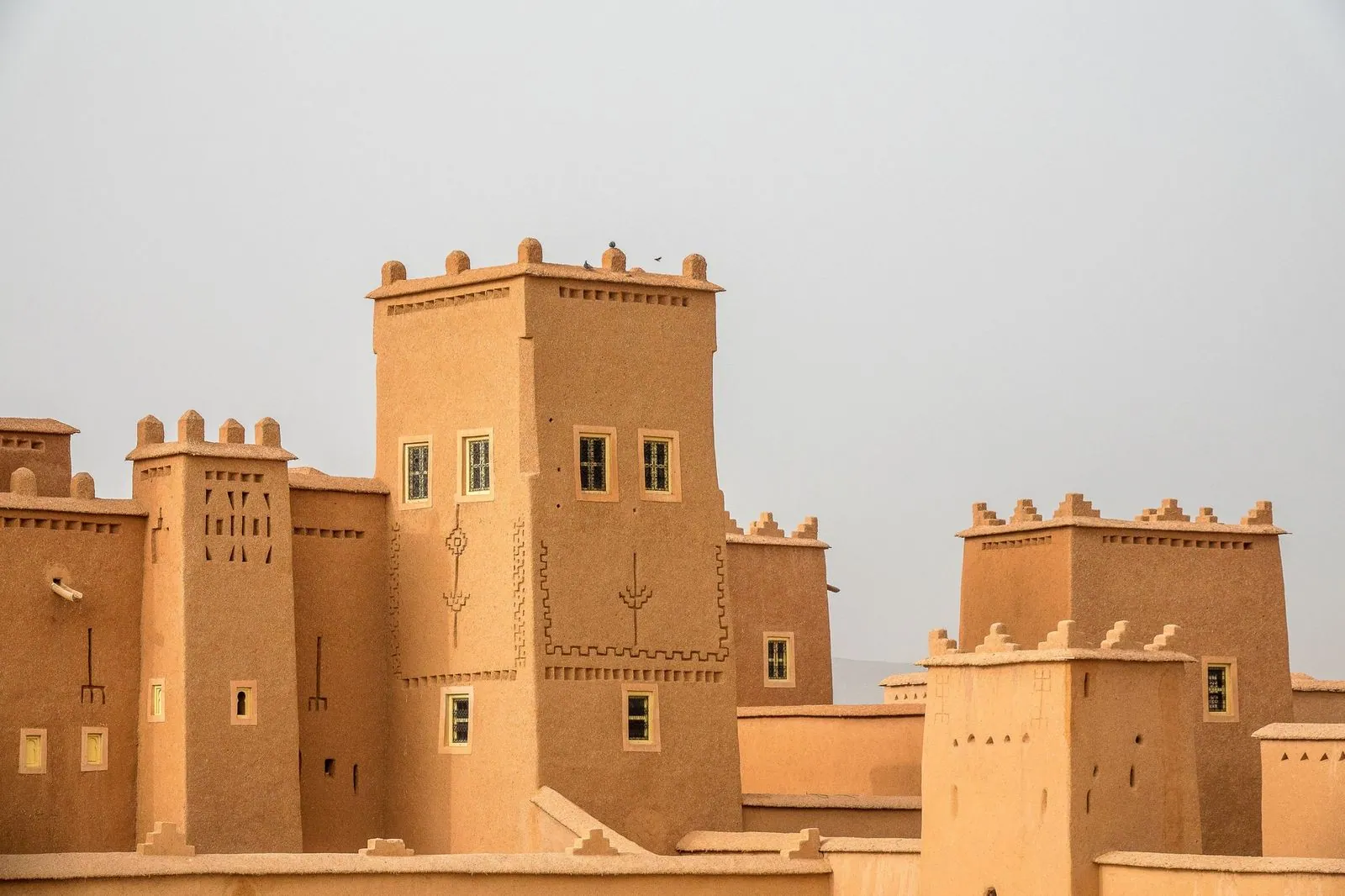
Give the southbound road its own time
Traveling from Marrakech toward the Sahara is a change of landscapes as much as a transfer from one point to another. The road climbs into higher ground, descends through valleys and continues toward drier country. The scenery changes gradually, and the experience is easier to appreciate when the drive is not treated as an obstacle to be endured as quickly as possible.
Exact travel times depend on the route, weather, traffic, stops and road conditions. Rather than build a plan around a fixed estimate, ask your host how the day is expected to feel and where practical breaks can fit. Long drives are easier when meals, rest and daylight have been considered, especially for families or travelers who are not used to winding roads.
Use a middle stop to settle
A night or two between the city and the dunes gives the journey a natural pause. Depending on the agreed route, a stop may bring time for an earthen settlement, a palm valley, a garden or a short walk. Choose one or two places that interest you and allow the visit to unfold, rather than trying to see every landmark along the way.
The high road can feel different from the lower valleys: temperatures, wind and visibility may change. If conditions are poor, the driver or guide may need to adjust the route or timing. A flexible itinerary is helpful here. Keep an extra layer close, drink water and let the day’s plan respond to the people and conditions actually present.
Arrive at the dunes without rushing
The final approach to a desert stay may involve a transfer arranged with the accommodation. Depending on the location and what is available, guests may reach camp by vehicle or another agreed method. Confirm the specific transfer, luggage arrangements and walking involved before setting out; options and facilities can differ.
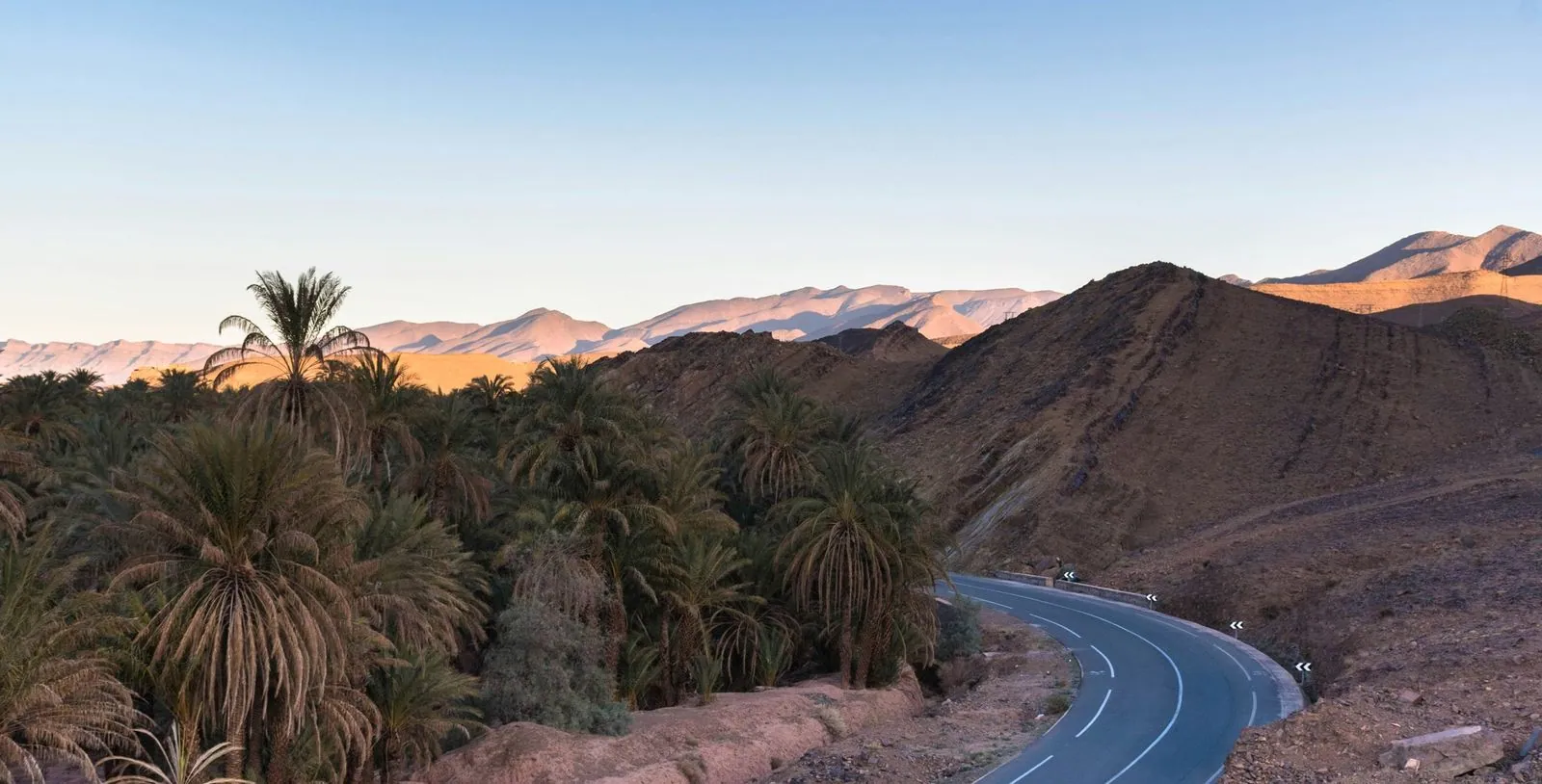
On arrival, leave time to put down your bags and get comfortable. The desert is not only a sunset view: it is also the cooler air after dark, the quiet between conversations and the way the sand feels underfoot. A spare evening makes those details easier to notice. If camel riding or another activity is being considered, discuss comfort, mobility and alternatives in advance.
Plan the return as part of the journey
The return drive deserves the same consideration as the outward route. After a night near the dunes, it can be tempting to add a long stretch of road immediately. Think about how rested the group will be, what time you need to arrive and whether an overnight stop would make the journey more comfortable.
A staged route may not suit every schedule, and the right plan depends on your dates and priorities. When you request a quote, explain how much time you have, whether you prefer more walking or more rest, and any onward travel that affects your return. The goal is not to make the road disappear; it is to give the changing country enough time to become part of the trip.
What to clarify before you travel
Ask whether the proposed journey includes a guide on every visit or only at selected stops, and confirm what is included in the written plan. Road conditions and vehicle arrangements can vary, so discuss the luggage space, seating needs and any motion sensitivity in your group. If you have a connecting flight or another fixed commitment, leave a generous buffer rather than planning a tight arrival after a long drive.
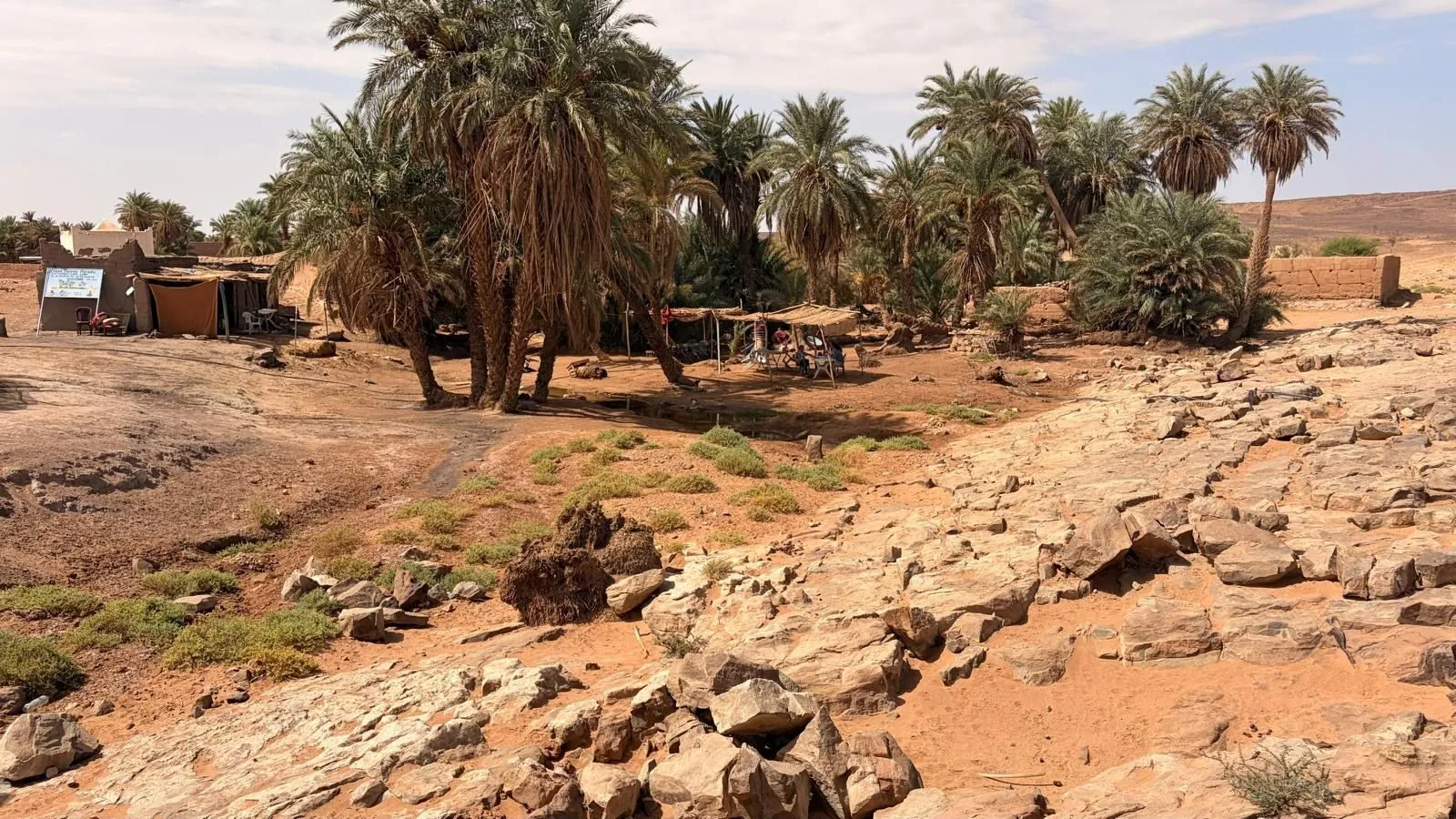
It can help to agree on a few priorities before departure. Perhaps the group most wants an unhurried walk, an evening near the dunes or time in a palm valley. Naming those preferences helps the planner protect what matters if the day needs to change. Keep a second-choice option in mind, such as shortening a visit or taking a rest break. A good southbound journey is not defined by reaching every stop exactly on schedule; it is defined by making sound choices as the road unfolds.