

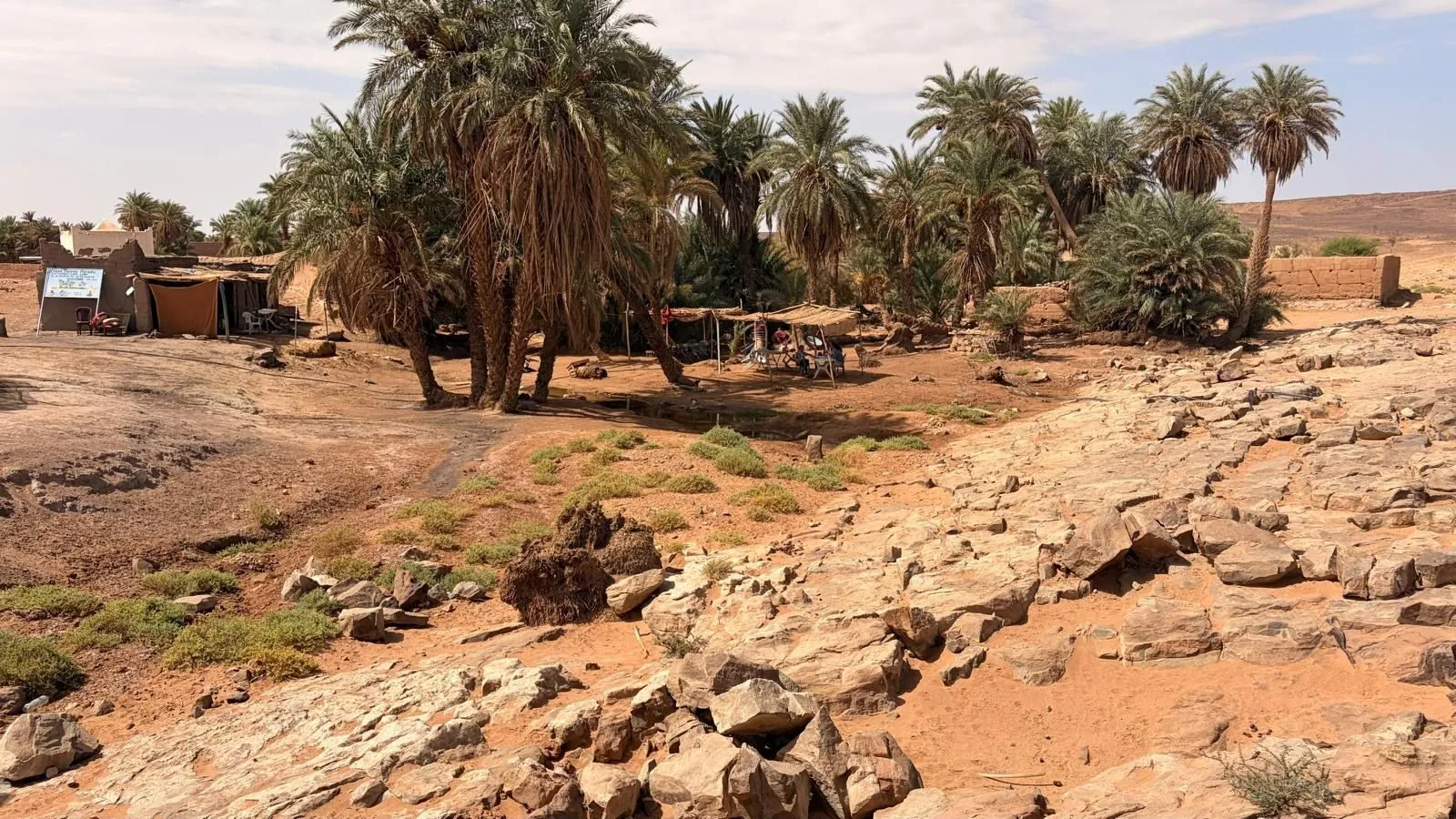
It is a way of paying attention
Slow travel is not simply a longer holiday or a promise to avoid every busy place. It is a way of arranging time so that a journey has room for attention. Instead of treating each stop as something to check off, you spend enough time to notice how the light changes, where people gather and what everyday life looks like beyond the main road.
In Morocco, that might mean staying in a valley rather than passing through it between two long drives. It could mean a short walk with a local guide, a shared meal, or an unplanned pause when the group needs one. The point is not to make every moment meaningful. It is to stop requiring every moment to be productive.
Fewer transitions, more breathing space
Every move between places takes attention: packing, loading, driving, checking in and finding your bearings again. A route with many stops can look rich on a map but feel like a sequence of departures. A slower plan chooses transitions carefully and leaves enough time at each stage to settle in. There is no ideal number of stops; what matters is whether the route feels comfortable for the people taking it.
A day with one main plan can be more satisfying than a crowded list. Leave time for meals and rest. Think about the daylight available, the group’s energy and the difference between a scenic drive and a day spent mostly in a vehicle. When the itinerary is being shaped, ask which parts can be removed as well as what can be added.
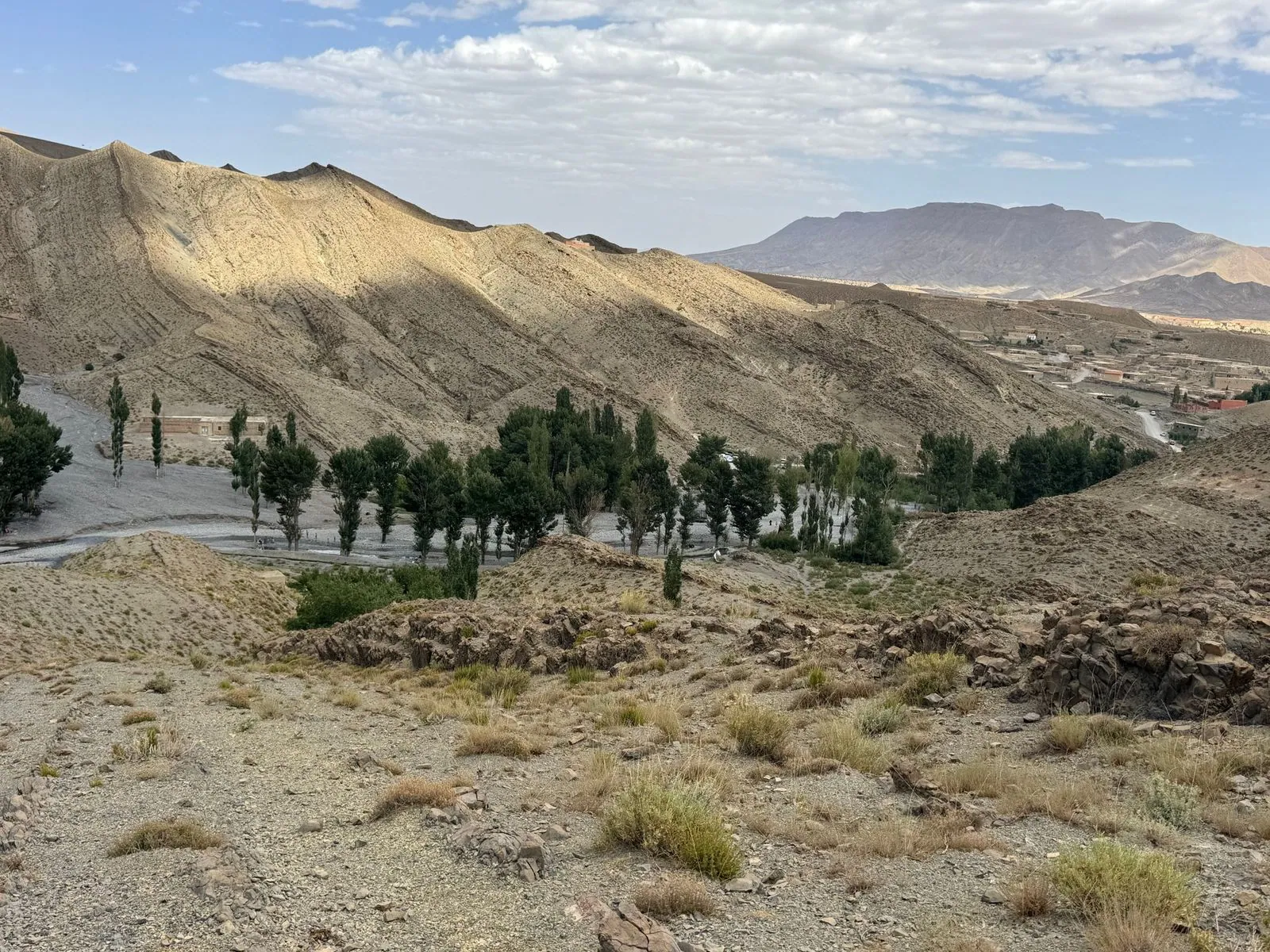
Let local relationships matter
A guide does more than navigate. Local knowledge can help you understand the setting, notice details you might otherwise miss and make choices that fit the day. Slow travel makes space for those exchanges instead of turning them into a rushed commentary between photo stops.
It also asks visitors to be thoughtful guests. Ask before taking photographs, follow local guidance in homes and religious spaces, and avoid treating people’s daily lives as entertainment arranged for you. Choose experiences that are offered willingly and be comfortable with a quieter visit. A conversation is valuable because it is shared, not because it produces a story to tell later.
Leave room for the real day
Weather, road conditions, energy and family needs can change a plan. A slower itinerary leaves enough space to adjust without making the whole day feel lost. This does not mean every detail is uncertain; it means the plan has a little resilience built into it.
When deciding whether slow travel suits you, consider how you feel about open time. Some people love an unplanned afternoon; others prefer a clear structure. Both preferences can fit a private journey if they are discussed honestly. Share what a good day looks like for you, including how much walking, driving and rest you want. Then let the itinerary serve that rhythm rather than trying to make the trip match a slogan.
Make choices that match your values
A considered journey also asks how you want to spend and where you want your attention to go. Choose visits that are offered transparently, ask how an activity is organized and be comfortable opting out if it does not feel right. No itinerary can make every impact disappear, but travelers can listen to local guidance, avoid unnecessary waste and treat workers and hosts with respect.
Slow travel is not a guarantee of a particular kind of encounter. Some days may be quiet; a planned conversation may not happen; weather may change what is possible. That uncertainty is part of traveling in a real place rather than consuming a fixed performance. Give yourself permission to enjoy an ordinary moment: the cool shade after a walk, a cup of tea, or the view from the road. Those small pauses often give the journey its shape.