
Pack for changes across the day
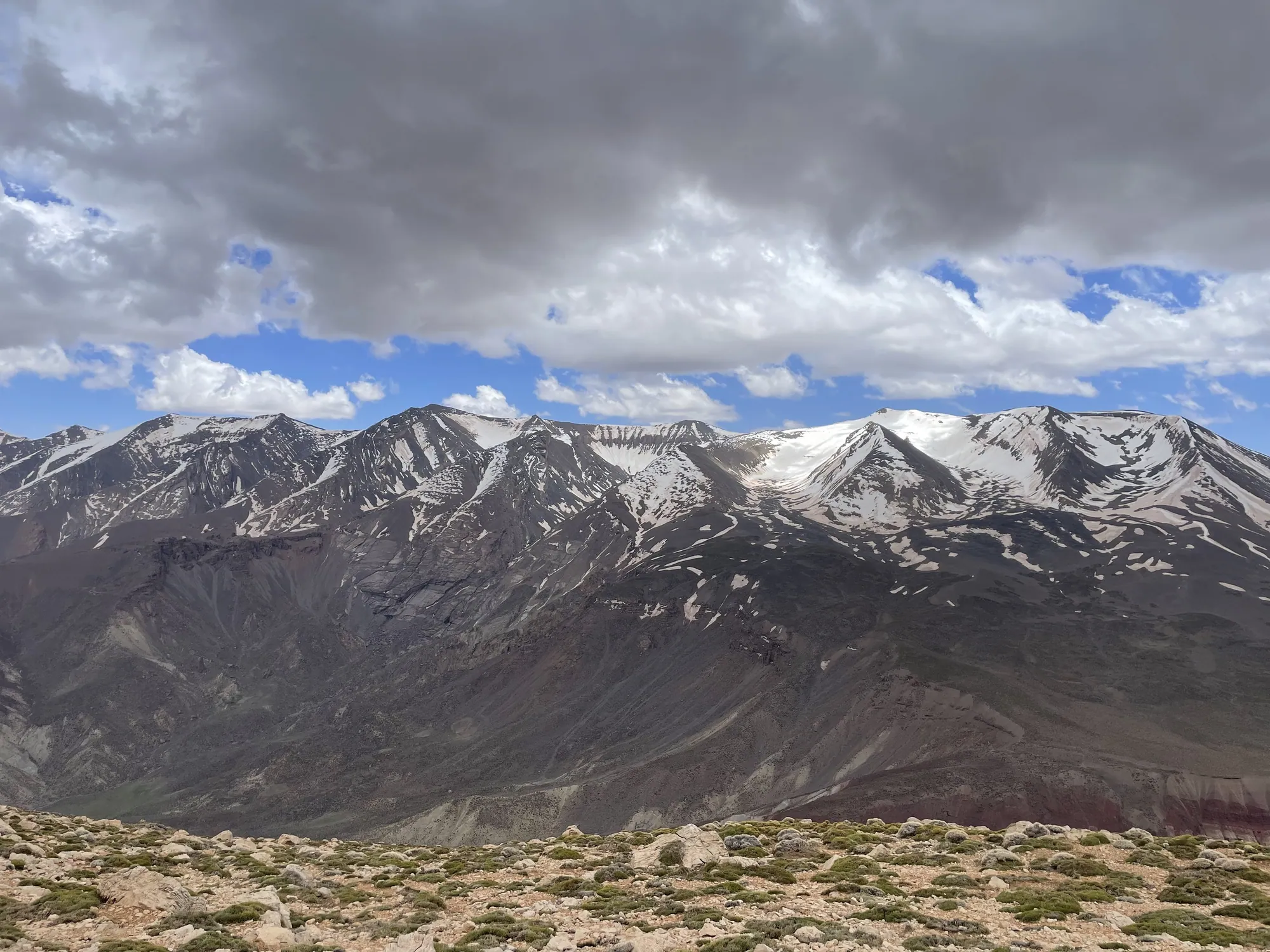
A journey through Morocco’s south can move between very different conditions. Bright sun, shade, wind and elevation affect comfort as much as the calendar does. The simplest approach is to use layers that can be added or removed: breathable clothing for warm hours, a warmer layer for mornings and evenings, and a light outer layer that helps with wind or a passing shower.
Choose clothes you can walk and sit in comfortably. Loose, lightweight fabrics can feel helpful in warm weather, while long sleeves and trousers also offer sun coverage. In villages and religious or family settings, modest clothing is a respectful default: shoulders and knees covered is a useful starting point, with local guidance taking precedence. Pack a scarf or wrap if you like having an adaptable layer.
Footwear and day-walk essentials
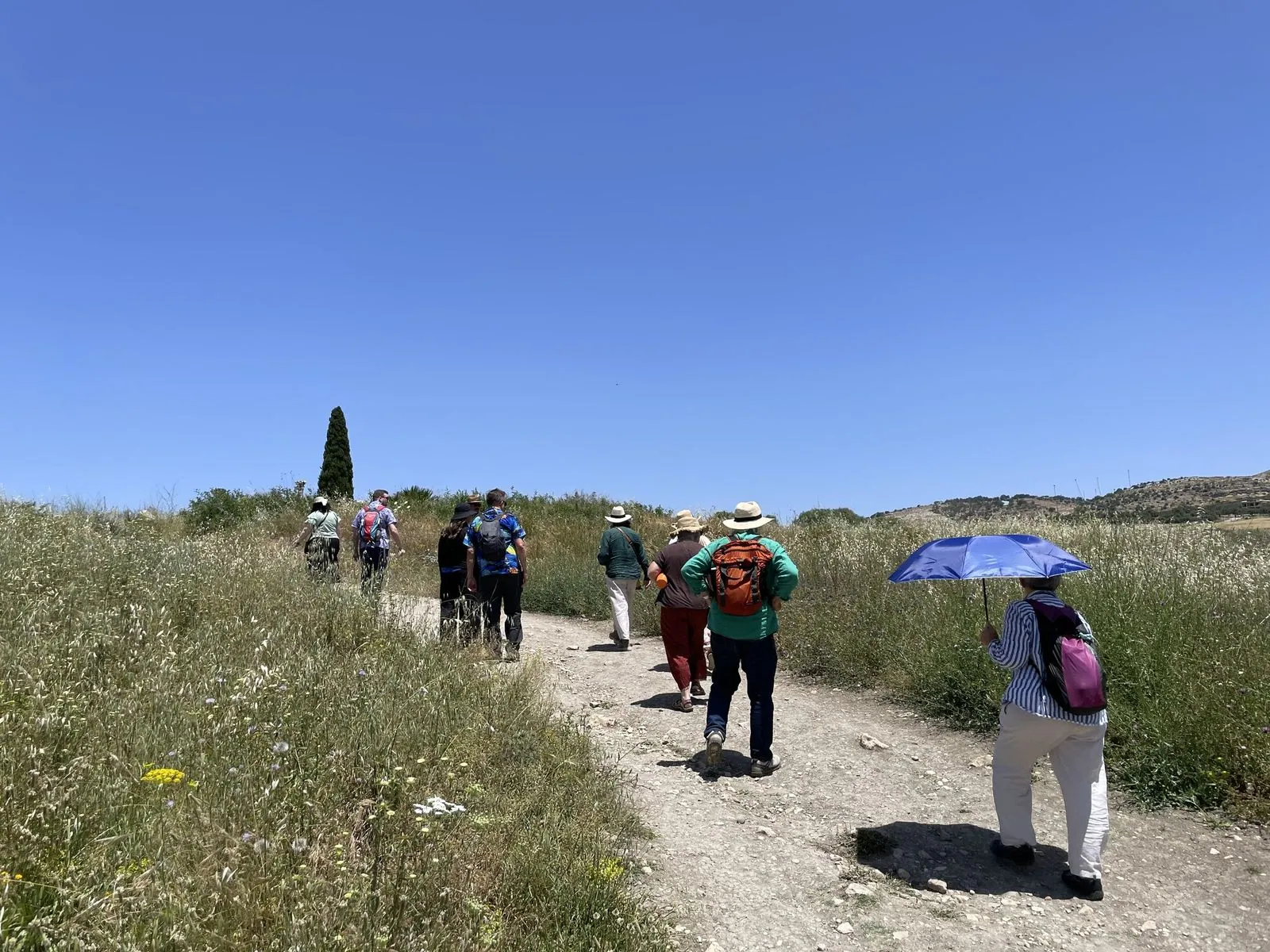
For uneven tracks, stone steps or a village walk, comfortable closed-toe shoes with a secure fit are usually more practical than thin sandals. If your plans include longer mountain walks, choose footwear you have already worn and that suits the terrain. New shoes can rub, and discomfort can change the whole feel of a day. Sandals can still be useful for relaxing at accommodation or around camp.
A small day bag can hold water, sun protection, any personal medication, a snack and an extra layer. A hat, sunglasses and sunscreen are useful under strong sun. A refillable bottle helps you keep water close; ask your guide about access to drinking water along your particular route. If you use walking poles or other mobility aids, tell your host in advance so you can discuss the surfaces and transfers involved.
Desert nights and practical details
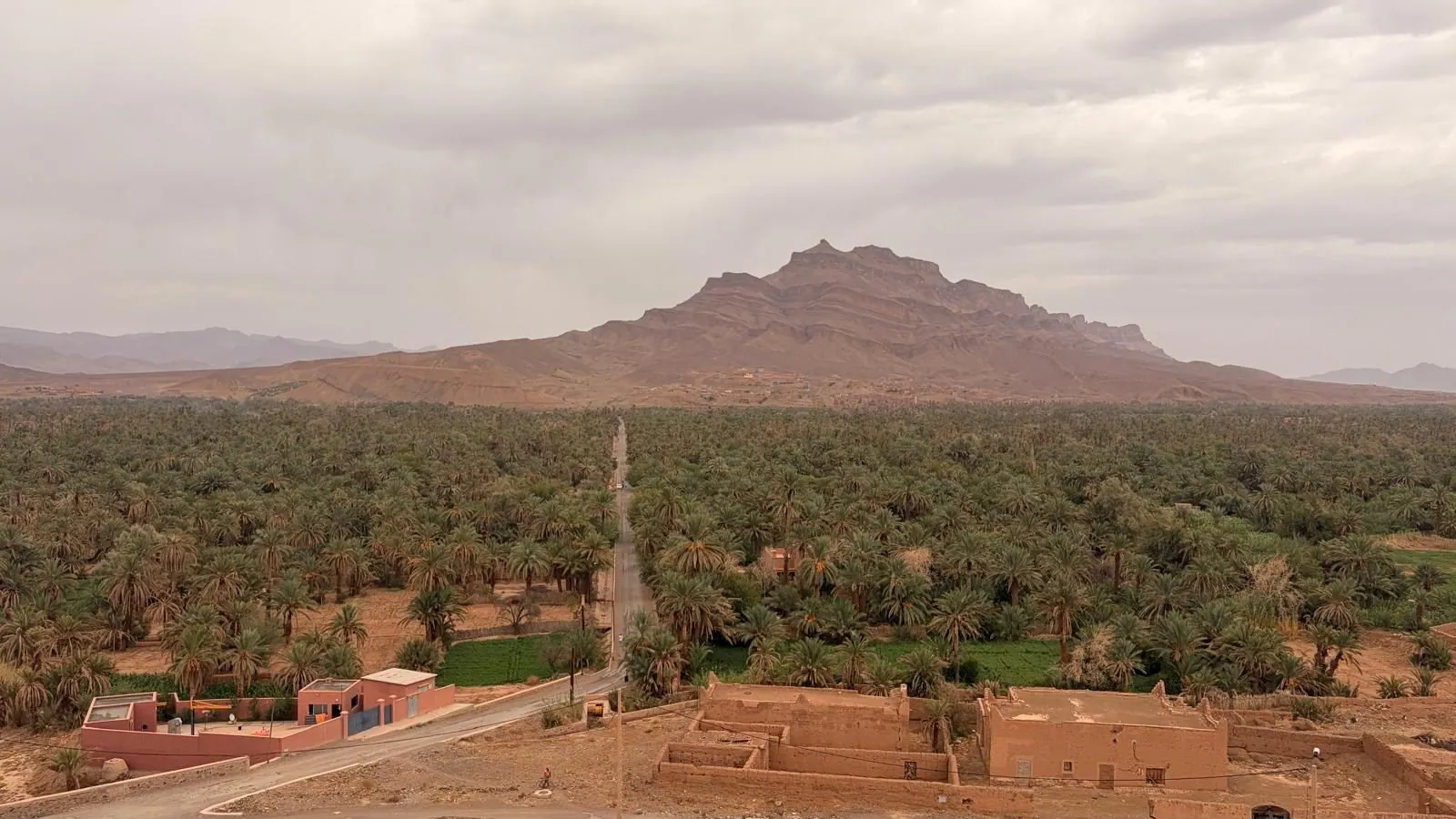
The desert can feel warm in daylight and much cooler after sunset, especially in the cooler part of the year. Bring a warm top and comfortable sleepwear rather than relying on daytime temperatures to describe the whole stay. Confirm what bedding and facilities are provided by your accommodation before you pack; arrangements differ from one place to another.
Keep documents, valuables and essential medication together and easy to reach. A compact power bank can be useful on longer travel days, although charging access depends on the vehicle and accommodation. Bring any personal care items you prefer not to search for en route. If you wear contact lenses or need specific medical supplies, pack enough for the full trip and keep them in your hand luggage.
Pack lightly, but ask specific questions
Traveling with less can make hotel changes and vehicle transfers simpler. A flexible bag is often easier to handle than several large cases, but the right choice depends on your group and the transport plan. Leave space for the things you may pick up along the way, and avoid bringing equipment you are unlikely to use.
Before departure, ask about the actual walking surface, expected weather, camp facilities, luggage arrangements and whether any activity requires particular gear. Do not assume specialist equipment is available locally. If a planned walk or ride has physical demands, describe your experience and needs so the route can be discussed honestly. A short, tailored packing list is more useful than trying to prepare for every possible condition.
For families and mixed-age groups
Packing for a family works best when the essentials are easy to reach. Keep a child’s warm layer, sun protection, water and any familiar comfort item in a day bag rather than packed deep in a suitcase. A small activity for waiting time can help on longer transfers, but do not overfill the bag; space to move comfortably matters more than carrying every possible distraction.
For older travelers or anyone with mobility needs, think through the practical details before choosing equipment. A walking stick, supportive shoes or a compact seat may help in some settings, but only if it is suitable for the planned surfaces and transfers. Share these needs with your host early and ask direct questions about steps, uneven ground, vehicle access and rest stops. The route and packing list should fit the travelers, not the other way around.