

Think in landscapes, not just months
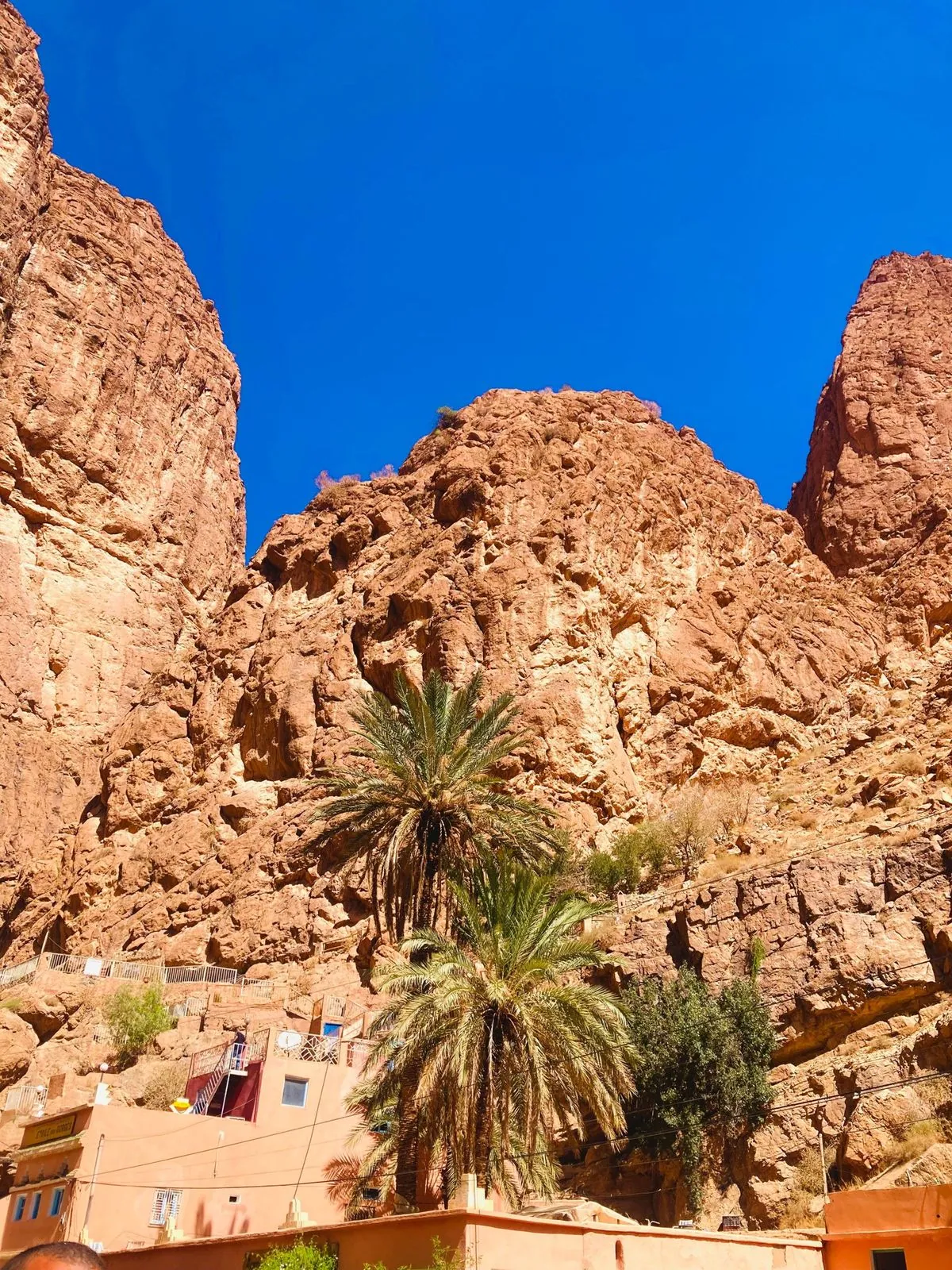
Southern Morocco is not one climate or one kind of day. A route may pass from a high mountain road to a palm valley and then toward open desert. Elevation, wind, shade and time of day all change how a place feels. A month that is comfortable in one part of a journey may bring cooler evenings or stronger sun somewhere else.
For that reason, a useful first question is not simply “Which month is best?” but “Which landscapes do I want to spend time in, and how do I like to travel?” A walking-focused stay, a long road journey and a few nights near the dunes each ask for slightly different preparation. Local conditions vary from year to year, so treat seasonal descriptions as a guide rather than a promise.
Spring and autumn
Spring and autumn are often comfortable periods for combining outdoor walks with time on the road. Daylight can be pleasant for exploring a village lane, a cultivated valley or a mountain foothill, while mornings and evenings may still feel cool. These shoulder seasons are popular with travelers who want to move between regions without spending every midday in intense heat.
Spring landscapes can look greener after winter rainfall, although the timing and amount of rain vary. Autumn follows the hotter part of the year, and the air may remain warm in lower areas even as evenings begin to cool. Pack for more than one temperature: a light layer for early starts and a sun-covering layer for the brighter hours are useful in either season.
Summer and winter
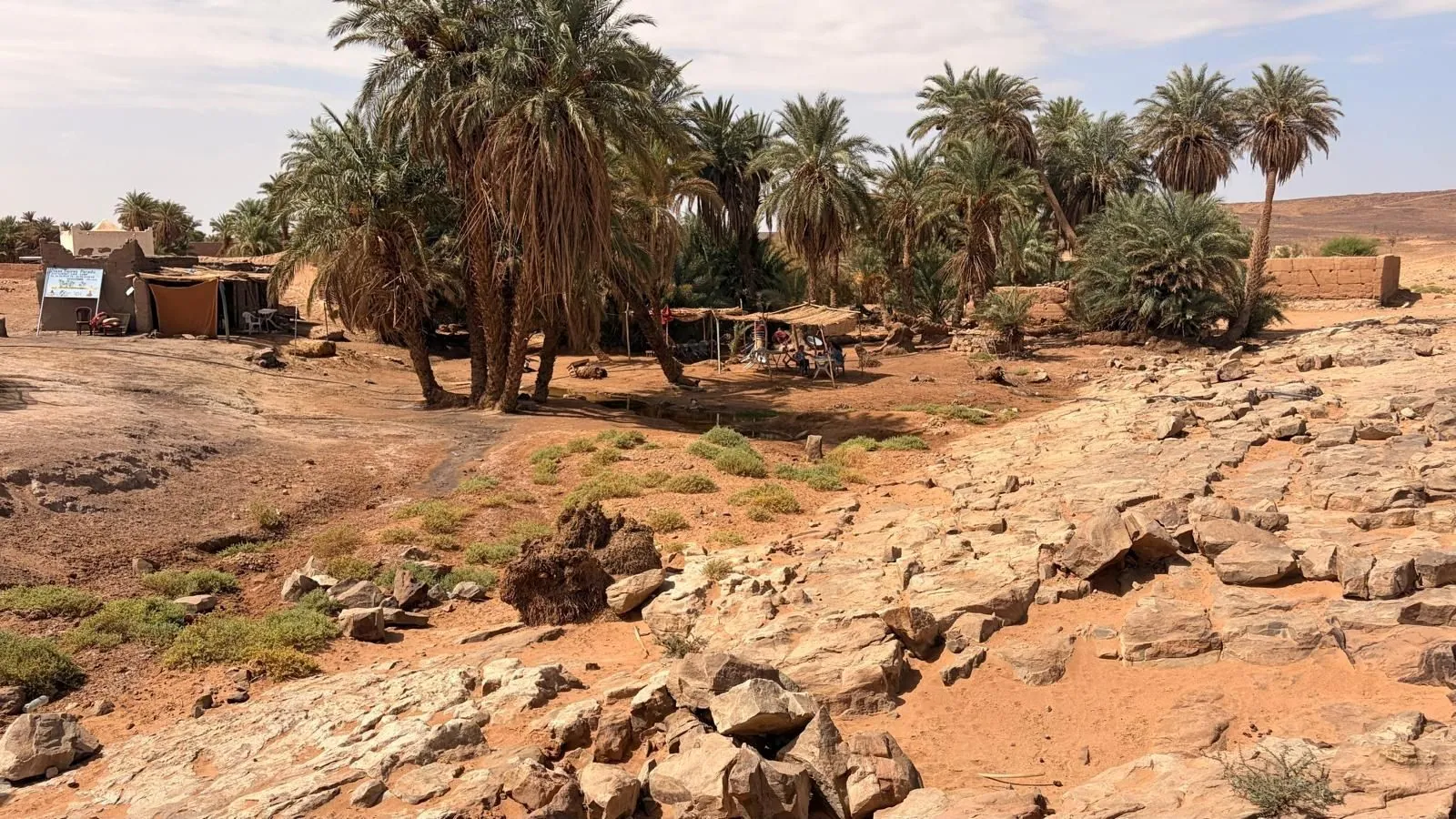
Summer can bring strong heat to lower and desert regions. If you travel then, consider building the day around early starts, shade, water breaks and a slower midday. A route that feels easy on paper can be tiring when the sun is high, especially for children, older travelers or anyone unaccustomed to heat. Ask your host how the proposed daily rhythm can adapt to the conditions expected for your dates.
Winter brings shorter days and cooler conditions, particularly at night and at higher elevations. Some mountain roads can be affected by weather, and desert evenings may be much colder than the daytime suggests. A warm layer, flexible timing and a willingness to adjust the route help. It is sensible to check forecasts close to departure and follow local advice if conditions change.
Choose a pace that suits the season
The season is only one part of the decision. A slower itinerary can make warm weather easier to manage: plan fewer stops, leave room for rest and avoid trying to cover too much ground in one day. In cooler months, an unhurried morning can still be comfortable if the day has enough daylight for the drive and any planned walk.
When you request an itinerary, share your preferred month, the kinds of places you hope to see and how active you want the days to feel. Mention any heat sensitivity, mobility needs or family considerations. Then ask what clothing and practical items make sense for the route you are actually taking. The best time to travel is the time that works with your interests, comfort and capacity to stay flexible.
A note on weather and local events
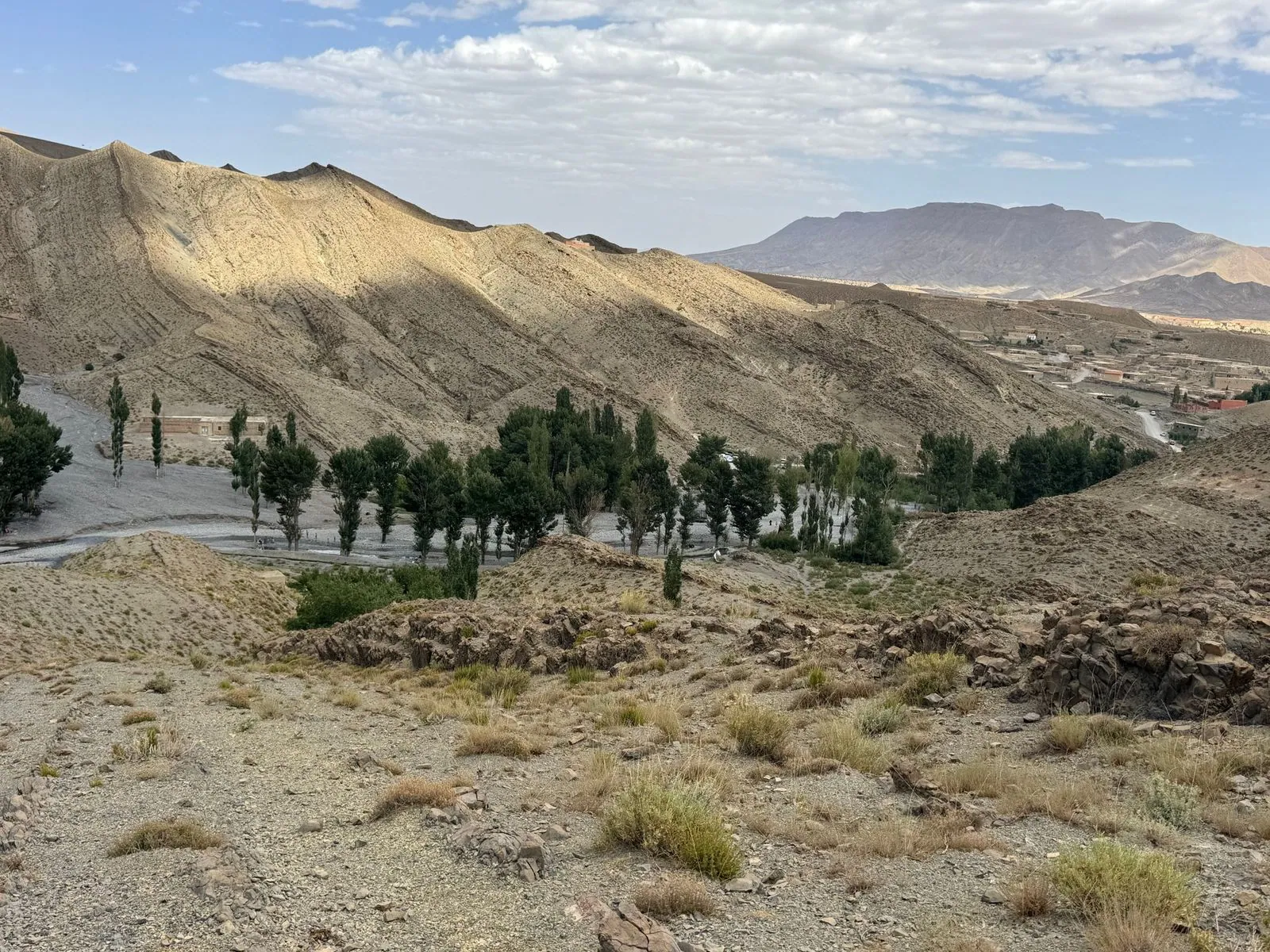
Seasonal patterns are useful for planning, but they do not predict a particular week. Rainfall, heat and wind vary, and conditions can shift during a trip. Public holidays and local events can also affect the feel of a town or the availability of services, although details depend on the year and community. If a specific celebration matters to you, ask about it well before settling your dates rather than assuming it will occur on a fixed day.
Build a little margin into the days before and after a long transfer. That buffer can make it easier to respond to a delayed start, a weather adjustment or a day when the group would rather rest. Ask your guide what parts of the plan can move and what needs advance coordination. A flexible schedule is not an invitation to ignore local advice; it is a way to make sensible changes without rushing the rest of the journey.